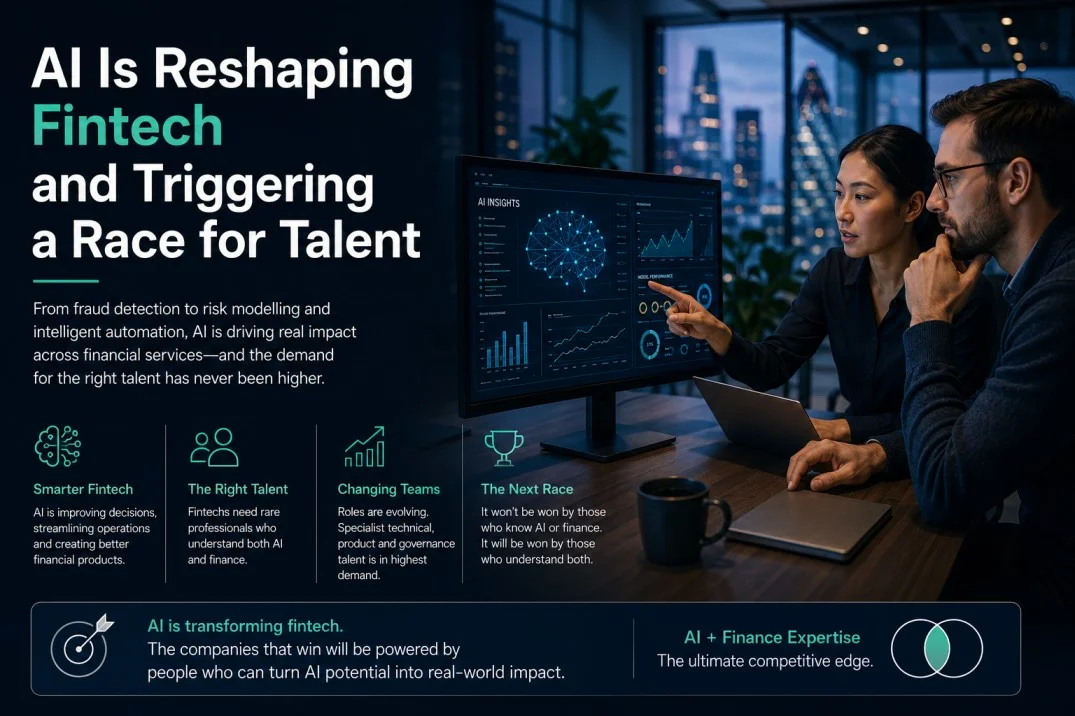
Recruitment Solutions in 2026: A Strategic Guide to Smarter Talent Acquisition
16 Apr, 202615 mins

What if your approach to hiring in tech was holding you back from the talent you truly need? In an age where recruiting solutions have evolved beyond basic staffing to become strategic assets, many employers still struggle with lengthy hiring processes and a lack of candidate quality. If you’re feeling the pain of high time-to-hire for critical technical roles or the frustration of receiving subpar candidates from generalist agencies, you’re not alone. This article promises to equip you with the insights needed to transform your talent acquisition strategy. You’ll gain a clear understanding of modern recruitment service models, a framework for selecting the right talent partner, and actionable steps to reduce hiring friction. Get ready to unlock the strategic advantages that come with effective recruiting solutions tailored for high-growth tech sectors.
Key Takeaways
- Understand the shift from traditional staffing to strategic talent acquisition, empowering your organization to attract the right talent.
- Explore various recruitment models, including contingency and executive search, to determine the best fit for your hiring needs.
- Recognize the importance of niche specialization in recruiting solutions to effectively address the demands of high-growth tech sectors.
- Learn how to evaluate your internal hiring capacity and implement targeted talent solutions that align with your business goals.
- Discover how partnering with a recruitment expert like Axiom Recruit can enhance your talent acquisition strategy and provide local insights.
Defining Modern Recruiting Solutions: Beyond Simple Hiring
Recruiting solutions have evolved into strategic frameworks that organizations utilize to source, vet, and onboard talent effectively. As we look to 2026, there's a noticeable shift from reactive staffing to proactive talent acquisition. This evolution recognizes the importance of aligning recruitment efforts with long-term business goals, ensuring that companies are not just filling vacancies but are also cultivating a robust talent pipeline.
Specialized recruiting solutions, compared to generalist agencies, provide a marked difference in candidate quality. While generalist agencies often cast a wide net, specialized solutions focus on niche markets, leading to better-fit candidates. For instance, a company in the blockchain sector would benefit greatly from a recruitment firm that understands the specific skills and cultural nuances of that industry.
Technology and market intelligence play pivotal roles in defining successful recruitment outcomes. The integration of advanced analytics allows organizations to identify trends, assess candidate fit, and streamline the hiring process. Tools such as AI-driven sourcing and automated candidate assessments free up valuable time, allowing recruiters to focus on relationship-building and strategic planning.
The Evolution of the Recruitment Landscape
The recruitment landscape has undergone significant changes. Gone are the days of merely posting jobs on boards; modern recruiting now often involves active headhunting and community-based sourcing. Traditional methods often fall short in high-volatility sectors like blockchain and AI, where the demand for talent outstrips supply. Companies must now prioritize employer branding within their recruiting solutions to attract the right candidates.
- Job board postings are now supplemented by social media outreach.
- Active sourcing has become essential in competitive markets.
- Strong employer branding is crucial for attracting top talent.
Strategic vs. Tactical Recruitment
The distinction between tactical and strategic recruitment is critical. Tactical recruitment focuses on filling immediate vacancies with an emphasis on speed, while strategic recruitment is about building a talent pipeline aligned with long-term business objectives. The right recruiting solution acts as a business consultant, guiding organizations through the complexities of workforce planning, rather than merely serving as a vendor.
In summary, modern recruiting solutions are about much more than simple hiring. They represent a comprehensive approach to talent acquisition, leveraging technology, market intelligence, and strategic planning to ensure organizations not only find the right talent but also build a sustainable workforce for the future.
A Spectrum of Services: From Contingency to Executive Search
In 2026, companies must navigate a complex landscape of recruiting solutions that vary in financial and operational models. Understanding these models is crucial for employers aiming to attract top talent while managing costs effectively. The choice between success-based and commitment-based recruitment can influence not just the financial outcome, but also the quality of hires.
The success-based model, often employed in contingency recruitment, charges employers only when a candidate is successfully placed. This model is particularly effective in scenarios where organizations need to fill high-volume or mid-level roles quickly. Employers can enjoy cost savings and flexibility, but it may come with the downside of less personalized service. Alternatively, commitment-based models, like retained searches, involve upfront fees and are generally used for executive placements, ensuring a dedicated effort from the recruiter.
Permanent Recruitment and Contingency Models
The success-fee model thrives in dynamic sectors where speed is essential. For example, technology firms often utilize contingency searches to fill numerous positions in a short timeframe. Ideal scenarios include:
- High turnover industries, such as retail and hospitality
- Mid-level roles where skill sets are widely available
Employers can leverage Axiom’s permanent recruitment services to streamline their hiring processes, ensuring they find the right talent efficiently.
Retained Executive Search for Leadership
For leadership roles, retained executive search methodologies offer a more in-depth approach. This model typically involves staged payments—retainer, shortlist, and completion—that incentivize recruiters to invest time and resources into the search. Such a structure fosters a commitment to finding the right fit for the organization, ensuring that candidates are thoroughly vetted.
Confidentiality is another critical aspect of executive searches. Companies looking to fill C-suite positions often require discretion to protect their internal dynamics. A deep vetting process not only confirms a candidate's qualifications but also assesses cultural fit and leadership style, making it a vital component of the recruitment approach.
Contract Staffing and Payroll Solutions
As businesses adapt to the realities of a globalized economy, the need for flexible workforce solutions has surged. Contract staffing allows organizations to scale rapidly during peak project phases while managing costs effectively. This model is particularly beneficial in industries like construction and IT, where project timelines can fluctuate significantly.
Effective contract staffing requires careful attention to sourcing, compliance, and payroll management. Transparency in contractor margins is essential, as it helps organizations understand the true costs involved and ensures that contractors are fairly compensated.
As we move further into 2026, the trend toward hybrid recruitment models is becoming more pronounced. Businesses are recognizing that combining various approaches can yield the best results in attracting and retaining talent. By exploring these diverse recruiting solutions, your organization can create a tailored strategy that meets its unique needs and challenges. To learn more about how Axiom can assist you in this journey, consider visiting our website.
Why Niche Specialisation is the Core of Effective Recruiting
The demand for specialized talent has never been greater, particularly in rapidly evolving fields like Web3 and artificial intelligence (AI). As industries mature, the danger of "generalist" fatigue becomes increasingly apparent. Generalists struggle to keep pace with the technical depth and cultural nuances required in these specialized tech sectors. This is where effective recruiting solutions come into play, emphasizing the need for recruiters who possess not just a basic understanding, but a deep domain expertise.
The Web3 and Blockchain Talent Challenge
Web3 recruitment is not merely about filling positions; it's a specialized hunt for cultural and technical alignment. Understanding the decentralized ethos that underpins blockchain technology is vital. Candidates often value community engagement and a shared vision, which means sourcing talent from platforms like GitHub, Discord, and specialized forums is essential. Traditional channels like LinkedIn may not yield the best candidates for these roles.
- Identify candidates through GitHub contributions.
- Engage in discussions on Discord communities.
- Focus on niche forums that cater to blockchain enthusiasts.
By tapping into these unconventional sources, recruiters can better align candidates with the ethos of the organizations they represent. This targeted approach mitigates the risk of hiring mismatches, ensuring that both technical skills and cultural fit are prioritized.
AI and Emerging Tech: Beyond the Buzzwords
The landscape of AI recruitment poses its own challenges. Not all candidates labeled as "AI experts" are created equal. Differentiating between "AI-adjacent" talent and genuine machine learning specialists is crucial. Recruiters must be adept at understanding the nuances of various AI technologies, from neural networks to natural language processing.
Speed is critical in the rapidly evolving AI market. Companies need solutions that can quickly identify and vet talent who can keep up with innovation timelines. Specialized partners in recruitment can leverage market intelligence and salary benchmarking to attract top-tier talent. By analyzing industry trends and compensation data, they can present compelling offers that resonate with prospective candidates.
- Utilize salary benchmarking to attract talent.
- Stay updated on emerging technologies to understand skill requirements.
- Build relationships with educational institutions for early access to new talent.
In summary, niche specialization in recruiting is not just beneficial; it's essential in today's tech-driven market. By understanding the specific needs of Web3 and AI sectors, recruiters can deliver tailored recruiting solutions that not only fill vacancies but also build dynamic, forward-thinking teams.
How to Evaluate and Implement the Right Talent Solution
Finding the right recruiting solutions for your organization requires a systematic approach. By evaluating your internal capabilities and understanding your specific needs, you can make informed decisions that lead to effective talent acquisition. Here’s a step-by-step guide to help you navigate this process.
Step 1: Audit Your Internal Hiring Capacity and Technical Expertise Gaps
Begin by assessing your current hiring processes and identifying areas where expertise is lacking. Consider the skills needed for your open roles and whether your team has the capacity to meet these demands. An internal audit can reveal gaps in your recruitment strategy, such as insufficient tech tools or limited outreach to passive candidates.
Step 2: Define the Urgency and Seniority of Required Roles
Determine how quickly you need to fill positions and the level of seniority required. High-impact roles that are critical to business operations may necessitate immediate attention, while lower-priority positions can follow a more extended timeline. Establishing urgency helps in prioritizing your recruiting efforts effectively.
Step 3: Evaluate Potential Partners Based on Their Specific Sector Track Record
When choosing a recruitment partner, it’s essential to look for those with proven experience in your industry. Assess their past success in filling similar roles, and consider their understanding of industry-specific regulations and challenges. A partner with a strong sector track record can bring valuable insights and strategies to your hiring process.
Step 4: Assess the Recruitment Process
Evaluate how potential partners handle key recruitment stages, including vetting, interviewing, and onboarding. An effective recruitment solution should offer comprehensive support at each phase, ensuring a smooth transition from candidate selection to integration into your team. Ask for specific examples of their process efficiency and candidate satisfaction rates.
Step 5: Review the Fee Structure Against the Long-Term Cost of a Bad Hire
Understand the fee structure of your chosen recruitment solutions. While upfront costs are essential, consider the long-term implications of hiring mistakes, which can be costly. Research shows that the average cost of a bad hire can be as much as 30% of their annual salary. Thus, investing in quality recruitment solutions can save you significant expenses down the line.
Key Questions to Ask a Recruitment Partner
- How do you source passive candidates who aren’t looking for work?
- What specific experience do you have in my industry (e.g., UAE crypto regulations)?
- What is your average success rate and time-to-fill for my specific role?
Calculating the ROI of a Recruiting Solution
Measuring the return on investment (ROI) for recruiting solutions involves comparing "Cost per Hire" with "Quality of Hire." Hidden costs of internal recruitment, such as advertising, management time, and tool subscriptions, can add up quickly. A specialized partner can reduce the "cost of vacancy" in high-impact roles, ensuring that you maximize your investment in talent acquisition.
By following these steps, you can effectively evaluate and implement the right talent solution for your organization. The right recruiting solutions will not only streamline your hiring process but also enhance the quality of talent you bring on board. For personalized support and expert guidance, partner with Axiom Recruitment today.
Partnering for Success: The Axiom Recruit Advantage
Axiom Recruit serves as a specialized bridge, connecting cutting-edge technology with elite talent. Our focus on emerging sectors such as blockchain, Web3, and artificial intelligence ensures that we meet the evolving needs of businesses seeking tailored recruiting solutions. With a global footprint and local expertise in markets such as the UK, US, and UAE, we are uniquely positioned to support your talent acquisition strategy.
Our Global Presence and Local Touch
In key regions like Dubai and London, we navigate the tech landscape and fintech hub with a deep understanding of local dynamics. Our physical presence in these markets fosters candidate trust and ensures compliance with regional regulations. For example, our Dubai office is adept at addressing the specific needs of the UAE's rapidly evolving tech sector, while our London branch specializes in the intricacies of the fintech market.
This localized approach allows us to build strong relationships with both clients and candidates. By understanding the subtleties of each market, we can provide bespoke services that resonate with local talent. You can Contact our Dubai or London offices to learn how we can assist you.
The Axiom Methodology
Our end-to-end support covers every aspect of the recruitment process, from providing valuable market insights to ensuring seamless onboarding. We understand that making the right hire the first time is crucial. Our rigorous vetting process is designed to assess candidates thoroughly, ensuring that they not only possess the required skills but also align with your company's culture and values.
- Market Insights: We provide data-driven insights to help you understand market trends and talent availability.
- Vetting Process: Our comprehensive assessments ensure high-quality placements.
- Seamless Onboarding: We facilitate a smooth transition for both clients and candidates.
Our commitment to long-term partnerships sets us apart. We believe in building relationships that extend beyond the initial hire. When you choose to Partner with Axiom Recruit for your next strategic hire, you’re not just engaging a recruitment agency; you’re gaining a dedicated partner focused on your success.
Empower Your Talent Acquisition Strategy Today
As we look towards 2026, the landscape of recruiting solutions is rapidly evolving. Emphasizing niche specialization is crucial for effective talent acquisition. By choosing the right model, whether it be contingency or executive search, organizations can better align their hiring strategies with their growth objectives. Partnering with experts like Axiom Recruit ensures you have the specialized knowledge needed in emerging fields such as Web3, AI, and Blockchain.
Don't leave your company's future to chance. Find your next visionary hire with Axiom Recruit and benefit from our success-based and retained models tailored to your unique growth stage. Together, we can build a robust workforce that drives your success.
Frequently Asked Questions
What are the main types of recruiting solutions available for tech startups?
The main types of recruiting solutions for tech startups include applicant tracking systems (ATS), recruitment marketing platforms, and talent sourcing tools. ATS streamline the hiring process by managing candidate applications and tracking their progress. Recruitment marketing platforms help attract candidates through targeted advertising and branding efforts, while talent sourcing tools aid in identifying and reaching passive candidates in niche markets.
How much do recruiting solutions typically cost in 2026?
In 2026, the cost of recruiting solutions varies widely based on features and the scale of the organization. On average, small to medium-sized businesses can expect to pay between $5,000 to $20,000 annually for comprehensive software solutions. Larger enterprises may invest upwards of $50,000 per year, especially if they require advanced features like AI-driven analytics or global compliance tools.
What is the difference between a recruitment agency and a talent acquisition partner?
A recruitment agency primarily focuses on filling open positions for clients, often on a contingent basis, meaning they get paid only when a candidate is successfully placed. In contrast, a talent acquisition partner collaborates closely with a business to develop long-term hiring strategies, often becoming integrated into the client’s team. This partnership approach allows for tailored recruiting solutions that align with a company’s culture and goals.
Can a recruiting solution help with remote and international hiring compliance?
Yes, many recruiting solutions now offer features that assist with remote and international hiring compliance. These solutions often include tools for managing tax regulations, labor laws, and visa requirements across various countries. For instance, platforms like Remote and Deel provide comprehensive compliance support, ensuring businesses adhere to legal standards while hiring talent from around the globe.
Is retained executive search better than contingency recruitment for senior roles?
Retained executive search is generally considered better for senior roles due to its focused, proactive approach. This method entails an up-front fee and ensures dedicated resources to find top-level candidates, often resulting in higher quality placements. In contrast, contingency recruitment may lead to a broader pool but often lacks the same depth of candidate engagement and vetting necessary for senior positions.
How do specialized recruiters vet candidates for technical roles like AI or Blockchain?
Specialized recruiters vet candidates for technical roles by employing a rigorous multi-step process. This often includes technical assessments, coding challenges, and interviews with industry experts to evaluate both skills and cultural fit. For example, recruiters may utilize platforms like HackerRank or Codility to assess programming skills in candidates applying for AI or Blockchain positions, ensuring they meet specific technical benchmarks.
What is Recruitment Process Outsourcing (RPO) and when should I use it?
Recruitment Process Outsourcing (RPO) refers to the practice of transferring all or part of recruitment processes to an external provider. This solution is ideal when companies face challenges like high turnover rates, rapid growth, or a need for specialized recruitment expertise. Utilizing RPO can streamline hiring, reduce time-to-fill, and enhance the overall quality of candidates, making it a strategic choice for scaling organizations.